
May 11, 2026 · Updated August 29, 2026 · Residency Process
Paraguay Permanent Residency: How the Conversion Actually Works and What 2026 Changed
The honest step-by-step on converting Paraguayan temporary residency to the 10-year permanent card under Law 6984/22 — filing window, documents, the Interpol delay since late 2025, the cédula backlog, and what trips files up.
This is the step-by-step on permanent residency in Paraguay — the 10-year card most clients are actually heading toward, even when they’re in the temporary stage. It’s the one that unlocks the long absence allowance, the cleaner banking conversations, and the citizenship clock. It’s also the stage where the rules changed meaningfully under Law 6984/22: as of 2026, you cannot file for permanent residency directly from abroad through the Essential track. You either convert from temporary, or you take the investor path through the CIE.
If you’re still on the front end of the journey — collecting apostilles at home, planning your first trip — start with Paraguay residency step-by-step. That post covers temporary residency, the entry point most foreigners use. This post picks up where that one leaves off, at month 21 of your temporary card, and walks the conversion through to the permanent cédula in your hand.
If you have capital you want to deploy and you’d rather skip temporary entirely, the investor route is the CIE — Certificado de Inversión Extranjera. It goes direct to permanent residency and is a different file.
What follows is the standard conversion path. Sweet Home Paraguay runs it weekly. We’ve personally been through every step we sell — the same legal-size folder of apostilles, the same office queues, the same waiting window.
What changed in 2026 — and what didn’t
The substantive rules were redrawn by Law 6984/22, the migration law that now governs every residency file in Paraguay. The headline change for permanent residency: you can no longer file for it directly from abroad through the Essential track. Two doors are open instead.
- Standard conversion — you finish temporary residency, you spend two years on the Carnet de Radicación Temporaria, and you convert at the right window. Most people are on this path.
- CIE / SUACE investor route — you put qualifying capital into Paraguay through the Sistema Unificado de Apertura y Cierre de Empresas, and you receive permanent residency directly on the strength of that investment. The capital threshold sits at USD 70,000 for productive projects, USD 150,000 for tourism, or USD 200,000 for real estate or financial instruments. Full breakdown in the CIE post.
Everything below is about the standard conversion. The mechanics of the file haven’t shifted dramatically since the temporary stage — same Migraciones, same notaries, same translators, same Police IT and Interpol stops — but the document set is leaner, the qualifying conditions are stricter, and two pieces of timing have grown teeth since late 2025: the Interpol procedure, and the permanent cédula backlog. Both get their own section below.
The authoritative requirements list is Migraciones’ own page for the category change: Residencia permanente para el cambio de categoría de residente temporal. Everything below follows that page, plus the practical texture the official version leaves out.
Who actually qualifies — the four conditions
Under Law 6984/22, conversion to permanent residency is not a separate application starting from scratch. It’s a conversion of your active temporary residency file. To qualify, four conditions all need to hold at the moment of filing.
- Active temporary residency. You hold the Carnet de Radicación Temporaria, you can prove the issuance date, and the card has not expired before your filing window opens.
- You file within the last three months of your temporary card — months 21 to 24 on a standard two-year card. Not earlier; the system won’t accept it. Migraciones does allow a late filing up to one month after the card expires, with the overstay multa added on top. Past that grace month, the conversion door closes for this cycle — your remaining option is a temporary-residency extension, and you convert at the end of that instead. Detail in the filing-window section below.
- The 12-month consecutive-absence rule has not been broken. This one trips more files than any other single condition. Detail in the next section.
- Clean record in Paraguay. The conversion file is built on Paraguay-issued clearances — the Police IT certificate, the Buena Conducta certificate, the judicial-antecedents certificate, and the local Interpol Paraguay certificate — not on a refreshed background check from your country of origin. Those local certificates need to be fresh at the moment of filing — under three months old is the rule we work to.
There is no specific income threshold under Law 6984/22 — the law doesn’t impose a minimum dollar figure. What it imposes is a category-of-livelihood requirement: you need to prove economic solvency under one of the categories codified in the annex to the official requirements. Section on that below.
The 12-month absence rule — read this slowly
This is the conversion condition that catches the most clients off guard. Between the issuance date printed on your Carnet de Radicación Temporaria and the day you file for conversion, you may not be absent from Paraguay for more than 12 consecutive months. The clock starts on the card issuance date, not on your last border crossing.
It’s the consecutive part that matters. A digital nomad who flies in for two weeks every six months stays inside the rule indefinitely. The applicant who relocated back home for fifteen straight months hoping to return cleanly at month 22 does not. If your absence has crossed the 12-month threshold at any point during the temporary window, Migraciones rejects the conversion and the temporary residency expires on its own clock — and you start the entire residency process again from scratch with a fresh apostilled file. That is an expensive and demoralizing way to find out about the rule.
Two practical implications:
- If you know you’ll be out of Paraguay for a long stretch during the temporary window, plan a short re-entry every 11 months at the latest. Even a few days resets the consecutive count. Our standard recommendation: one visit during months 10–12 of the temporary card, then file the conversion during months 21–24 — pairing the visit date and the filing date so no gap approaches 365 days.
- Migraciones pulls your entry and exit record on every conversion file — this is checked as a matter of routine, not only when something looks off. And emailed explanations for a missed visit are not being accepted; Migraciones goes by the entry and exit record, not the story. Hold onto every entry stamp and border-crossing receipt anyway, as your own copy of the evidence.
Permanent residency, once you have it, is far more forgiving on the absence front — the consecutive-absence allowance grows to roughly three years. The conversion window is the strict one. After that, the leash lengthens significantly.

The documents — what carries over, what gets refreshed
Most of the heavy lifting on apostilles and translations happened in the temporary file. Unlike that file, the conversion is built almost entirely from documents issued in Paraguay.
From your country of origin: usually nothing new
This is the part that surprises people who assume the conversion re-runs the temporary file. It doesn’t. There is no refreshed criminal background check from your country of origin in the conversion file, and no origin-country Interpol certificate either — the clearances Migraciones wants are issued in Paraguay (next section). Only two kinds of foreign documents enter the file:
- If your civil status, name, or declared profession has changed during the temporary window — marriage, divorce, child born, a legal name change — the certificates documenting the change get apostilled in the issuing country, translated in Paraguay, and added. If nothing has changed since your original temporary file, there’s nothing to refresh.
- If your economic-solvency category rests on a foreign document — a pension certificate, a remote-work certificate — that document arrives apostilled and gets translated here. Detail in the solvency section below.
What you assemble in Paraguay
The conversion file is built here, tracking the requisitos on Migraciones’ official page:
- Your passport or foreign identity document, valid, original plus authenticated copy.
- Your Paraguayan cédula, original plus authenticated copy — or the police theft/loss report if it’s gone missing.
- Your Carnet de Radicación Temporaria, original plus authenticated copy, same theft/loss rule.
- Certificado de Antecedentes para Extranjeros — the Police IT Department clearance (the cybercrime certificate), same Asunción office you visited for temporary, fresh issuance. Address and detail below.
- Certificado de Antecedentes de Buena Conducta — issued by the Identifications Department of the National Police.
- Certificado de Antecedentes Judiciales — the judicial-records clearance.
- Local Interpol Paraguay certificate — refreshed at the same Asunción office you used for temporary. Same fingerprinting, same fee, longer wait now (see below).
- Proof of economic solvency under your chosen category. For most of our clients that’s the RUC route — registration constancia, the recent IVA declarations (or the last annual IRP), and the DNIT tax-compliance certificate. The RUC has its own commitments — see what a RUC commits you to — and it only carries the file if it’s in good standing. Dedicated section below.
Migraciones’ published list is the baseline, and the counter has the final word on the day — supporting extras like the police foreign-resident booklet or a Vida y Residencia have come up case by case, so bring what you have from the temporary file. The police and Interpol clearances all run on the freshness rule we plan around: under three months old at filing.
Notarization and translation logistics
The translation and notarization shops you used for temporary residency are the same shops you’ll use for the conversion. Pull from your original list. If you didn’t keep one, two notary offices most clients end up using:
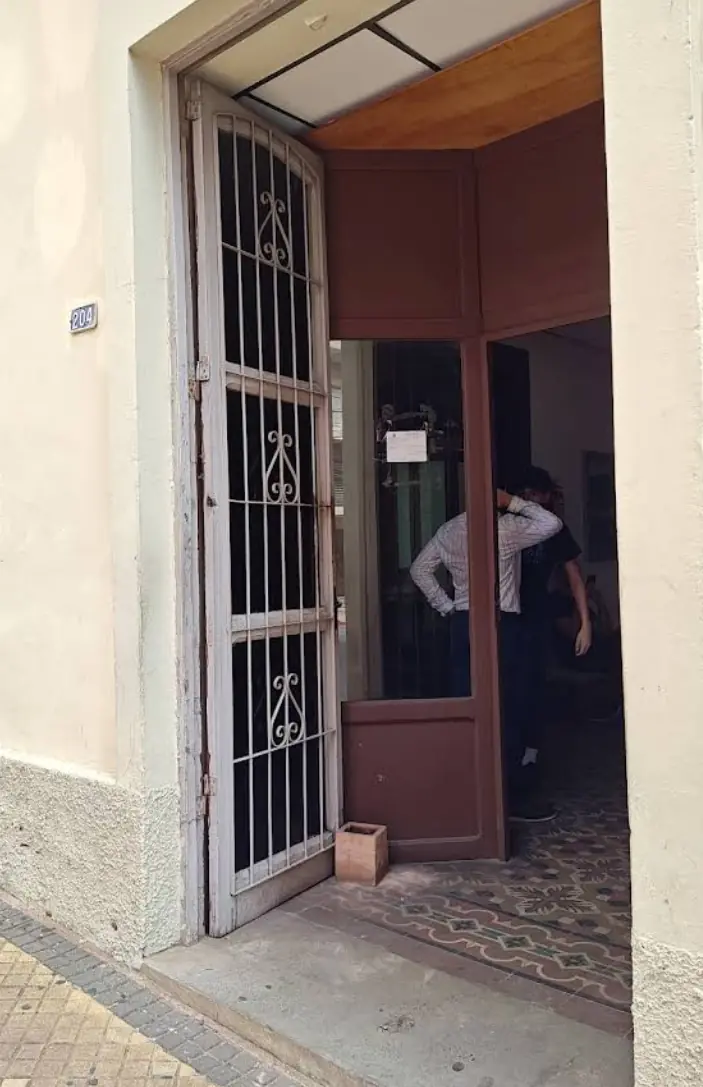
- Escribanía Vicente Gadea — Caballero 204, Asunción, directly across the street from Migraciones. Phone +595 21 449 152.
- Escribanía Guido Flor — Av. Dr. Guido Boggiani 6411, Asunción, across the street from the national police building. Phone +595 981 934 562.

Translations of any refreshed foreign documents go through a Paraguayan-registered Traductor Público Jurado, exactly as before. The directory of public translators is at https://datos.csj.gov.py/pjopendata/data/traductores. Translations done outside Paraguay are not accepted — same rule, same reason. The only exception is documents already in Portuguese from Brazil, which Paraguay accepts as-is.
A practical reminder: bring the same legal-size folder you used for temporary residency. The originals stay with you the whole time; notarized copies — two of each — travel through the system.
The Interpol procedure — what 2025 changed
The conversion file uses the local Interpol Paraguay certificate — issued in Asunción, not requested from your country of origin. Up through late 2025 it moved on a predictable timeline, running 3 to 10 business days.
Since late 2025, the issuing process has been running direct confirmation with your country of origin before the certificate comes out. For some countries the loop completes quickly. For others — France has been notably slow, and several other states have shown similar lag — the wait stretches in ways that are hard to predict. We’ve seen ranges from one to several weeks beyond the old norm.
Two practical responses:
- Start the Interpol step earliest in your conversion paperwork. It’s the variable you have the least control over once it’s in motion. The other Paraguay-side clearances you can run in parallel.
- Plan a buffer between the dates your clearances issue and the date you submit. The local certificates run on the under-three-months freshness rule — a slow Interpol response at the front of the sequence is manageable; at the back, it can age out the documents you already collected.
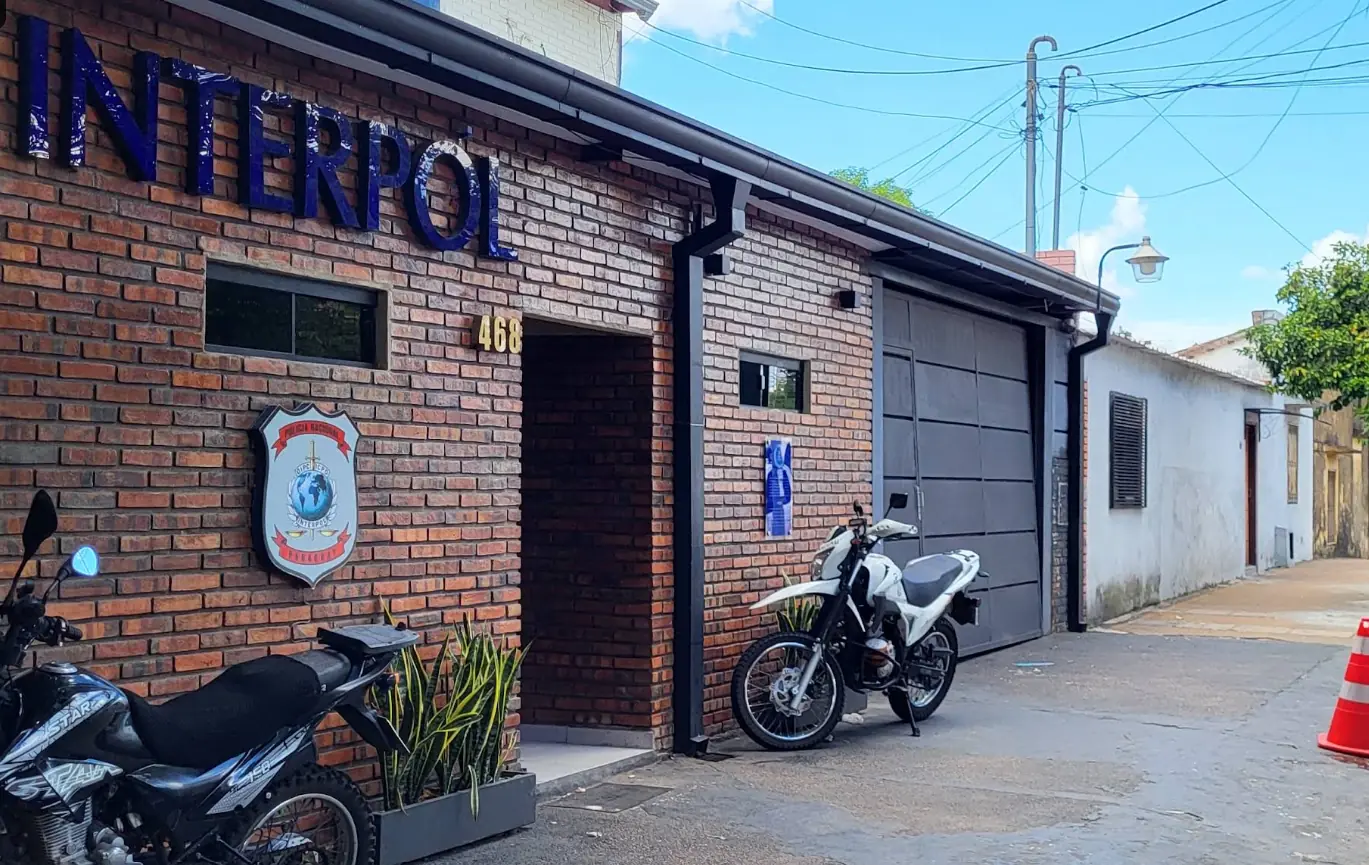
The local Interpol Paraguay office is the same one you visited for temporary residency: Cnel. Gracia Nº 468, Asunción, phone +595 21 446 873. Bring an authenticated photocopy of your passport, passport-sized photos, and expect traditional ink fingerprinting. Fee is paid in Guaraníes at the counter — verify the current figure on the day. The copy shop and photo studio across the street are still there if you forgot anything.
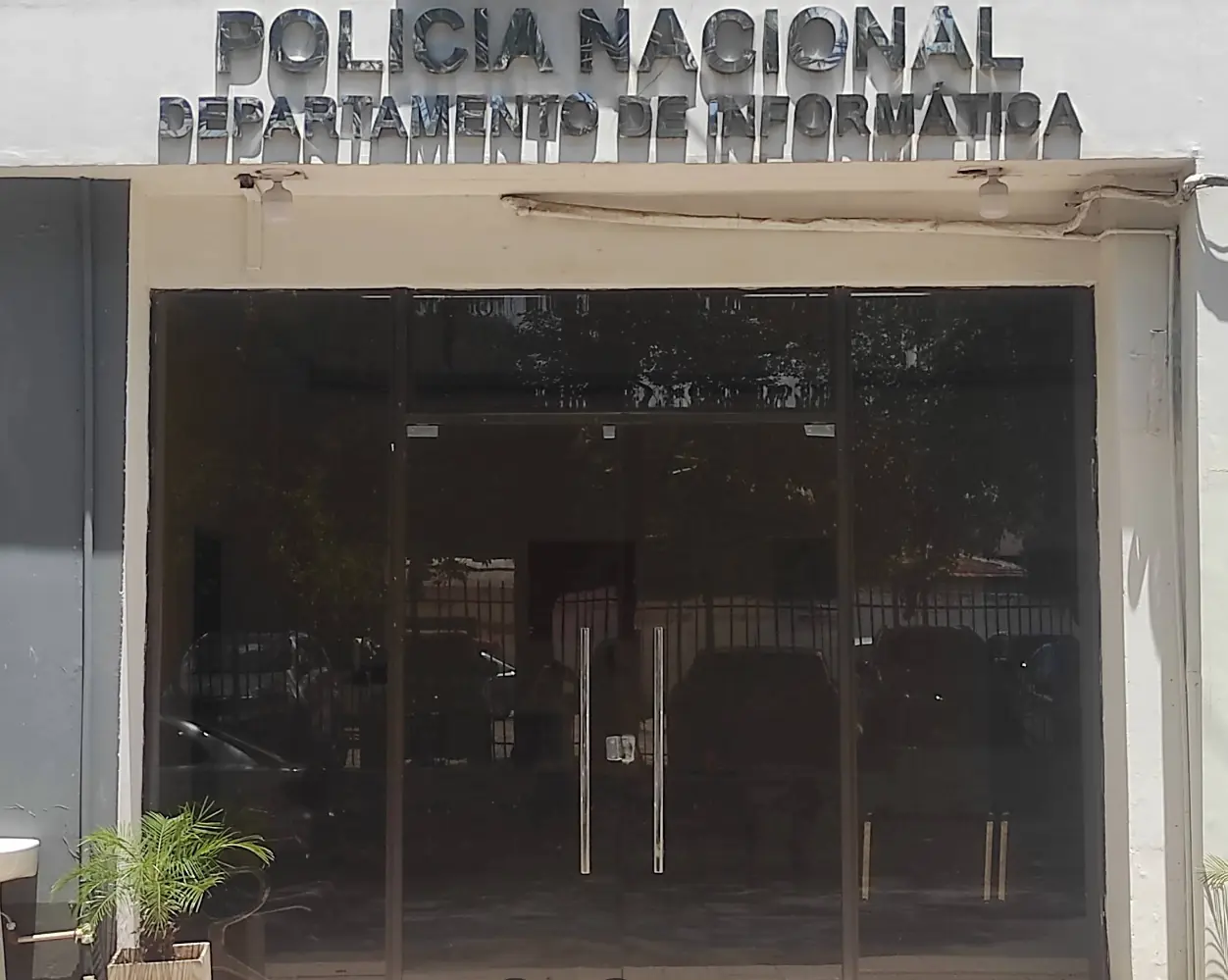
The Police IT Department clearance step is unchanged: Avda. Mcal. López 1451, Asunción, phone +595 21 422 700, ask for the IT department. Often completed same-day. Fee paid in Guaraníes at the counter — verify on the day.
Proof of economic solvency — the official categories
The standard Migraciones works to is “acreditación de solvencia económica mediante documentación idónea, suficiente y comprobable” — suitable, sufficient, verifiable documentation. The accepted categories are codified in the annex to the official requirements page. Pick the one that fits your situation; you only need to qualify under one. In practice, the route most of our clients use is the independent-worker one: a RUC in good standing plus the DNIT tax-compliance certificate is the proof Migraciones sees most and questions least.
- Independent worker (commerce and services). Proof of taxpayer registration — your RUC constancia — plus the IVA declarations for the last three months (or the last annual IRP) and the tax-compliance certificate. This is the standard expat route.
- Remote worker / digital nomad. A work certificate backing the employment relationship, stating the income received and the channel your salary or fees arrive through. A codified category of its own now — and a natural fit for a large share of the people reading this.
- Salaried employee (in Paraguay). IPS affiliation, or a notarized labor contract stamped by the Ministry of Labor.
- Professional / technician. These categories still appear in the annex, but since Resolution 407/2026 took effect (filings from 6 July 2026) a degree or technical qualification on its own has not been carrying files — in practice, solvency runs through declared income, which is the RUC route above. Don’t build a conversion plan around a diploma.
- Property owner. Title registered with the public registry (RUN); Migraciones may ask for income documentation on top.
- Shareholder or partner. Authenticated corporate bylaws or shareholder-registry evidence of your participation in a Paraguayan entity.
- Farmer or livestock producer. Productive property title, or purchase / sale evidence, plus tax compliance.
- Retiree or pensioner. A pension or retirement certificate stating the amount received and the financial channel it arrives through — apostilled and translated if it’s foreign.
- Religious worker. Congregation registration plus an institutional letter assuming your living costs.
- Dependent. Marriage or filial documentation plus the supporting person’s identity document.
- Student. Enrollment plus academic-continuity evidence — and note the official wording: being a student is not by itself sufficient; you also show independent income or family support.
The category you pick should match your actual situation. Mismatch between declared category and the rest of the file is a flag at the counter. If you’re not sure which category fits — say, you have foreign rental income and a small consulting practice but you’re not a salaried employee anywhere — the right move is a conversation with us before filing, not a guess at the desk.
When to file — the months 21 to 24 window
Migraciones’ published rule: the category change is filed within the three months before your Carnet de Radicación Temporaria expires — months 21 to 24 on a standard two-year card. The window exists for a practical reason: enough overlap between your active temporary status and the conversion filing that the file doesn’t crash into the expiration.
A few things worth knowing about the window:
- Earlier than month 21 is rejected. The system won’t accept it.
- There’s a one-month grace period after expiry. If the card lapses, you can still file the conversion up to one month after the expiration date — paying the overstay multa (Gs. 702,462) on top. Plan for the window, not the grace.
- Past the grace month, the conversion door closes for this cycle — but you don’t go back to the start of the whole process. Your remaining option is a temporary-residency extension, which can be requested up to six months after expiry and is granted for another equal period. You’d then convert at the end of that extension instead.
Practical rhythm: at month 18 of temporary, take stock of the solvency file — on the RUC route, confirm the filings are current and any multas are cleared; if your category rests on a foreign document, order the apostille. At month 19-20, run the Paraguay-side clearances (Interpol Paraguay first, then Police IT, Buena Conducta, judicial antecedents). At month 21-22, file. At month 24-30, expect the permanent residency card to issue.
Submission at Migraciones — where and how
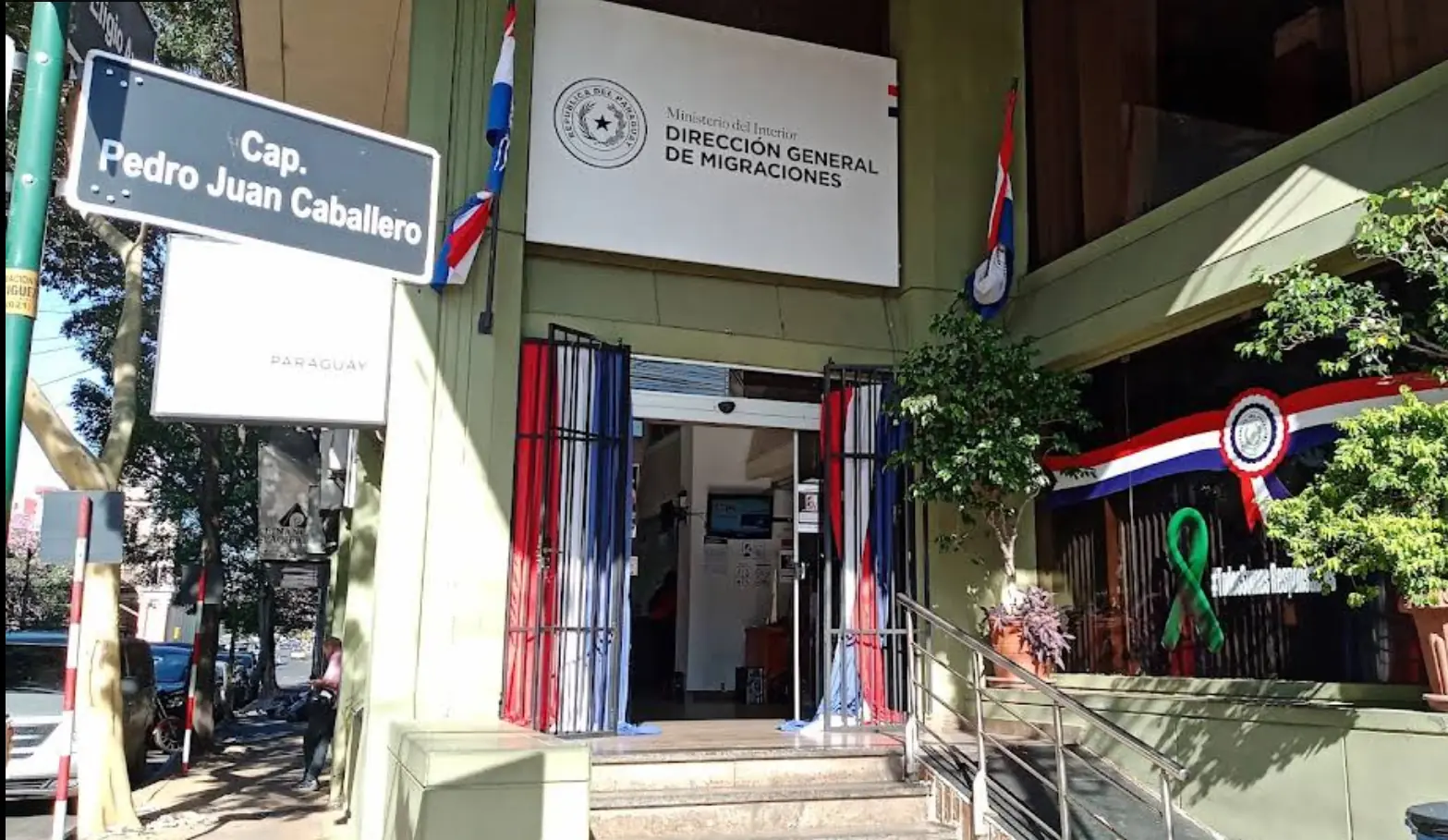
The conversion is filed at the same office where you filed temporary residency: the Dirección Nacional de Migraciones, address Caballero 201, Asunción, phone +595 21 411 2000, website https://www.migraciones.gov.py. Migraciones opens at 07:00 Monday to Friday; arrive early to avoid the worst of the queues.
For applicants who happen to be living outside the capital, Migraciones also accepts filings at its regional offices in Ciudad del Este and Encarnación, and occasionally through mobile brigades that visit smaller departments on scheduled rotations. The vast majority of conversions go through Asunción simply because that’s where the rest of the support infrastructure (translators, notaries, Interpol, Police IT) sits.
The complete conversion package on filing day is, broadly:
- Your passport or foreign identity document, original plus authenticated copy.
- Your Paraguayan cédula, original plus authenticated copy.
- Your Carnet de Radicación Temporaria, original plus authenticated copy.
- The four Paraguay-issued clearances — Police IT (Antecedentes para Extranjeros), Buena Conducta, Antecedentes Judiciales, and Interpol Paraguay — originals plus authenticated copies.
- Apostilled and translated documents for any civil-status, name, or profession changes during the temporary window, where applicable.
- Proof of economic solvency under your chosen category — with apostille and translation if it rests on a foreign document.
- The government processing fee, in Guaraníes.
At the counter the officer reviews the file, captures any biometrics that need to be refreshed, and you pay the conversion fee. The published Migraciones arancel for the permanent residency / category change is Gs. 2,926,925 (roughly USD 370), plus Gs. 234,154 for the Certificado de Radicación — and the Gs. 702,462 overstay multa only if you’re filing in the grace month after expiry. The local clearances, notary runs, and any translations come on top and vary with the file — all-in, the Migraciones-side fees plus local documents typically run in the range of Gs. 5,500,000 to 6,000,000 (roughly USD 700 to USD 760 at current exchange) for an adult applicant. Verify the exact figures on the day at the Informes desk before paying — fees do adjust.
When the submission is accepted, you walk out with a filing receipt that documents that your conversion is in process. Hold onto that receipt. It is your proof of legal status while the file is processed, and the docket reference on it is what you’ll use for every status inquiry over the next few months.
The wait — and the cédula backlog you should plan around

Permanent residency processing time as of 2026 runs 3 to 6 months from a complete submission. Conversions tend to move faster than initial temporary submissions because the underlying file is already known to DNM — your fingerprints, your biometrics, and your initial document set are already on record. The conversion is largely a verification step, not a fresh investigation.
The same status-check channels apply as for temporary:
- Phone — +595 21 411 2000. Operating Monday to Friday, 07:00 to 15:00. Have your full name, passport number, and conversion docket number ready before dialing.
- Email — [email protected]. Good for a written record. Include the same identifying details in every message.
- In-person at Caballero 201. With your filing receipt and passport. Often the fastest way to a real answer if you’re in Asunción anyway.
- WhatsApp — informally. No officially advertised number for status checks. Treat as a backup, not a primary channel.
If you’re using Sweet Home Paraguay, we run these inquiries on your behalf at a sensible cadence — every two to three weeks while the file is open, more often once it nears the expected window. Status-checking every three days does not accelerate processing.
A practical 2026 detail worth planning for: once your permanent residency is approved, the permanent cédula that issues from the Departamento de Identificaciones is currently running on a backlog. The legal minimum processing time is 20 business days. The actual processing time as of early 2026 is routinely exceeding 3 months because of staffing constraints at Identificaciones and the volume of recent applications. Build that into your timeline. You have 180 days from the date your permanent residency is approved to file at Identificaciones for the permanent cédula; once filed, expect a longer wait than the legal minimum.

Approval — the 10-year card and what it changes
Approval comes as a notification — by email, by phone, or through the firm running point. The notification tells you when to come collect your physical permanent residency card. Pickup is its own short visit at Migraciones: bring the notification, your passport, and your filing receipt. There is no additional fee at pickup; the government fee was paid at submission.
What changes the moment you hold the card:
- Validity jumps to 10 years, with renewal handled by a straightforward process at the 10-year mark. There is no second conversion to clear; permanent renewals are simple.
- The consecutive-absence rule loosens substantially. From the 12-month limit on temporary, you move to roughly three years of consecutive absence allowed on permanent. For nomadic and dual-base lives, this is the structural reason most clients want to reach permanent.
- The citizenship clock starts. Under Paraguayan law, three years of effective permanent residency from the card issuance date opens the door to citizenship application. The citizenship process has its own requirements — clean record in Paraguay and country of origin, basic Spanish, and the eventual question of dual nationality (which Paraguay’s constitution and your country of origin both have a say in). Citizenship is its own post, but it’s worth knowing that the permanent residency card is what starts the clock running.
- Banking, real estate, business formation, and Mercosur mobility all get smoother. Permanent residency plus the updated cédula plus an active RUC is the combination Paraguayan banks treat as fully unrestricted, in our experience.
- Deportation protections are stronger than at the temporary stage. Permanent residents can only be removed for serious grounds — criminal conviction or substantive document fraud — and access more extensive appeal channels.
The permanent cédula — filing at Identificaciones
The cédula process is a separate step at a separate office. Departamento de Identificaciones, Avenida Boggiani esquina con R.I. 2 Ytororó, Asunción. You have 180 days from the date your permanent residency was approved to file there.
The cédula file for the permanent stage uses some of the same documents you collected for the conversion — the notarized copy of your temporary residency booklet, the Interpol certificate (which may be reused if still valid), the criminal record for foreigners, the Certificate of Residence, the foreign resident booklet, the Certificate of Radicación from DNM, and the relevant police legalizations. Detail on the cédula process is in the cédula guide; the structure is the same as for the temporary cédula, with a refreshed document set.
A couple of notes specific to the permanent cédula:
- Your cédula number changes. The temporary cédula number is replaced by a new, definitive number when the permanent cédula issues. The new number is the one Paraguay treats as official from that point forward.
- Your RUC stays the same, but you need to update DNIT with the new cédula number once the permanent cédula is in your hand. The RUC remains valid throughout; only the cédula reference field needs updating. The update is a quick administrative step.
- The 3-month-plus backlog noted above is real. Plan around it. If you have a banking, lease, or business deadline that requires the permanent cédula in hand, give yourself realistic runway.
Once the cédula is in your hand and the RUC update is filed at DNIT, the bureaucratic transition is complete. You are a Paraguayan permanent resident with a clean documentary trail, an active tax ID, and the operational infrastructure that day-to-day life in Paraguay actually runs on.
What trips conversion files up
After running enough of these to know the shape of the failure modes, the same handful of issues account for most of the bounced conversions.
- The 12-month absence rule, broken without realizing. Almost always the result of a long stretch back home during the temporary window. The fix is preventive: a short re-entry to Paraguay at least once every 11 months while temporary is active.
- Filing outside the window. Too early is rejected; too late means the overstay multa during the one-month grace period, and past that you’re into a temporary extension instead of a conversion. Calendar this carefully.
- Clearances aged out by submission. The Paraguay-issued certificates run on the under-three-months freshness rule. The Interpol-side delay since late 2025 makes this trap more dangerous than it was: the country-of-origin confirmation can take weeks longer than expected and age out the rest of the stack. Front-load the Interpol step in your sequence.
- The solvency file not actually ready. The RUC route only carries the conversion if the RUC exists, the filings are current, and the tax-compliance certificate will issue cleanly — a dormant registration with open multas is a solvency problem, not a solvency proof. Register early, keep the filings current, and clear any multas well before the window opens. More in what a RUC commits you to.
- Economic solvency category mismatched to the rest of the file — declaring “salaried employee” when there is no Paraguayan employer, or “independent worker” when the RUC is dormant. Pick the category that actually matches your situation and bring evidence consistent with it.
- Trying to use a service address (mailbox) where a real residential address is required. The Certificate of Residence specifically asks for proof of an actual address, and Identificaciones doesn’t accept a mailbox at the permanent cédula stage. We’ve written about that distinction at Paraguay mailbox vs residential address. The right address solution for clients at this stage is a real lease in your name with supporting utility bills — what we set up for clients privately, case by case.
- Translations done outside Paraguay on the refreshed foreign documents. Same rule as temporary: translation must come from a Paraguayan-registered Traductor Público Jurado. No exceptions for non-Portuguese languages.
What we handle on the conversion
Most of the conversion is the same shape of unglamorous work as the temporary file — queues, photocopies, the walk between Migraciones and the notary across the street, knowing which window opens first. The team that ran the temporary file is the team that runs the conversion.
What Sweet Home Paraguay does specifically at the conversion stage:
- Calendar your filing window so the conversion lands in months 21-24 cleanly, with the solvency check and the Interpol step initiated at the right earlier dates.
- Watch the 12-month absence rule with you across the temporary window — flagging when a return trip is approaching the threshold.
- Prepare the solvency file. On the RUC route: registration, filings current, multas cleared, the tax-compliance certificate issuing cleanly. On other categories: the apostille-and-translation run for the foreign document that carries it.
- Run the Paraguay-side clearances — Interpol Paraguay, Police IT, Buena Conducta, judicial antecedents, plus whatever supporting extras the counter asks of your specific file.
- Translation and notarization coordination in Asunción.
- Day-of submission accompaniment at Migraciones, with the file pre-organized in DNM’s preferred order.
- Status tracking through the 3-to-6-month processing window — phone, email, in-person, using your conversion docket number.
- Continuity into the permanent cédula step at Identificaciones — booking the appointment within the 180-day window, walking the documents through, and updating the RUC at DNIT once the new cédula number is in hand.
- Residential address support for clients who need a real lease in their name (with the property’s supporting utility bills) for the Certificate of Residence or the cédula step — arranged privately, case by case.
You can do all of this yourself. The law doesn’t require a representative. We’re here for the foreigners who’d rather hand in their receipts and get on with the rest of their lives.
We’re there for you when you need us. We’ll know your name. We handle the unglamorous parts.
Costs at a glance — 2026
All government and Paraguay-side fees are paid in Guaraníes, even where USD-equivalents are quoted for context. Figures move with the exchange rate and with the rare government fee adjustment.
- DNM permanent residency arancel (category change) — Gs. 2,926,925 (roughly USD 370), plus Gs. 234,154 for the Certificado de Radicación — the published figures on Migraciones’ requirements page. With the local Paraguay-side documents added, plan Gs. 5,500,000 to 6,000,000 all-in (roughly USD 700 to USD 760). Verify at the Informes desk on filing day.
- Permanent cédula fees at Identificaciones — approximately Gs. 1,500,000 to 2,000,000 (roughly USD 190 to USD 255).
- Apostilles in country of origin — only if your file actually carries foreign documents: a civil-status change during the temporary window, or a degree / pension / work certificate for your solvency category. Varies sharply by country. Plan Gs. 800,000 to 3,200,000 equivalent (roughly USD 100 to USD 400) per origin-country file in 2026.
- Spanish translations on refreshed documents — typically lighter than the temporary file because the unchanged civil documents don’t need re-translation. USD 60 to USD 200 in most cases.
- Notarization — Gs. 50,000 to 100,000 per document; typically a modest line item across the conversion.
- Interpol certificate Paraguay — approximately USD 12 equivalent.
- Police IT Department clearance — approximately USD 20 equivalent.
- RUC registration and the monthly declarations — if your solvency proof runs through the RUC and you don’t already hold one, the true all-in includes standing it up and keeping the monthly Marangatu filings current through the months before you file. Our accounting service carries this for clients; the RUC’s own commitments are in what a RUC commits you to.
- Sweet Home Paraguay handling fee — under USD 2,000 all-in for the Essential permanent-residency conversion package, which sits below most of the providers operating in Paraguay. Create a free account in the Sweet Home Paraguay App for current pricing and the detailed scope of what’s included.
A self-filed conversion, all-in, typically lands in the USD 1,000 to USD 1,800 range depending on origin-country apostille costs, translation page count, and how many auxiliary documents the file ends up carrying — and it can run higher once you count the RUC registration and the monthly declarations the standard solvency route rides on. Everything is paid in Guaraníes once you’re on the ground; the USD figures here are conversion estimates only.
What to do next

If you’re still in the temporary window and you want to map the conversion timeline carefully — when to prepare your solvency file, when to file at Migraciones, how to coordinate the Interpol delay, how the cédula backlog affects your banking timeline — create a free account and tell us where you are. We’ll help you model the whole timeline against your specific dates.
If your conversion window is open or imminent and you’d rather hand the file off, the Sweet Home Paraguay App is where the work happens — document upload, status tracking, and the human team running point.
Permanent residency is the unlock. Ten-year card, three-year absence allowance, citizenship clock running, banking that opens up, real estate that works, and a country that recognizes you as a settled resident rather than a temporary one. The conversion file is one focused stretch of paperwork at the right window — and on the other side of it, Paraguay stops being something you maintain and starts being something you simply have.
Paperwork is the enemy. The life that starts after is the prize. Hand in your receipts, focus on your passions, and we’ll do the rest.

Welcome to your sweet home Paraguay.